
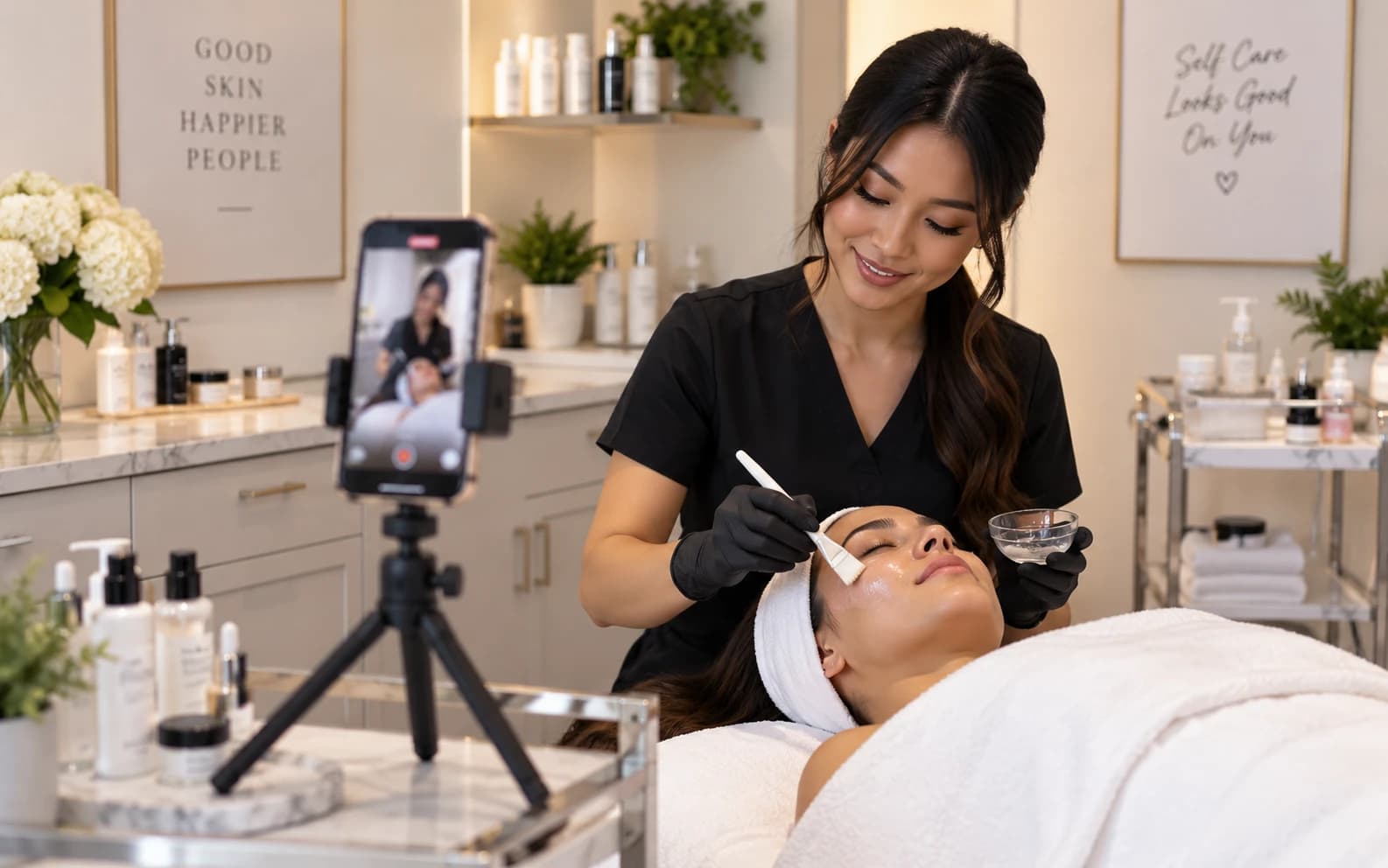
Local micro-influencers often outperform big names for small businesses
For most local beauty businesses, a partnership with a smaller, local, genuinely engaged influencer produces better results than chasing a large but less locally-relevant creator — their audience is more likely to actually become your clients.
Structure a fair, clear exchange
Be specific about what you're offering (a free or discounted service) and what you're expecting in return (a certain number of posts, specific content types, a timeline). Vague arrangements ("just post about it sometime") tend to produce vague, low-effort results.
Treat the first collaboration with any influencer as a trial — a smaller initial arrangement lets you evaluate fit and content quality before committing to a larger or ongoing partnership.
Disclosure isn't optional
The FTC requires clear disclosure of any material connection between an influencer and a business they're promoting (free services, payment, or other compensation) — both you and the influencer share responsibility for proper disclosure. See the FTC's business guidance for current requirements, and don't treat disclosure as optional or a minor formality.
Choose partners whose audience and values actually fit
An influencer with an engaged, relevant local audience and a genuine fit with your brand tends to produce far better results than one chosen purely for follower count.
Frequently asked questions
Do I need a written agreement for an influencer collaboration? For anything beyond a very casual, one-off exchange, a simple written agreement covering what's expected, timeline, and disclosure requirements protects both parties and avoids misunderstandings.
Is it okay to only offer free services instead of payment? Yes, many small-business influencer collaborations are service-for-content exchanges rather than cash payment — but this is still a form of compensation requiring proper disclosure under FTC rules.